How to Cook Roast Beef
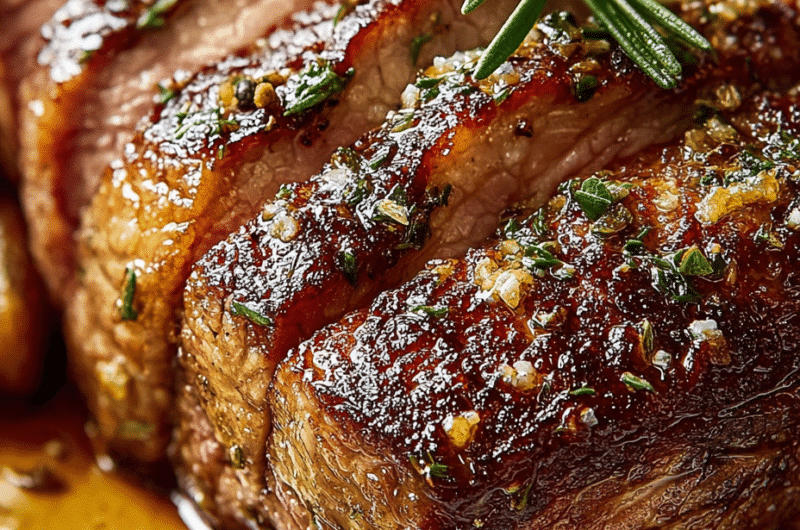
This How to Cook Roast Beef is ready in under 1 hour and 15 minutes using simple pantry ingredients. It’s crispy on the outside, tender on the inside, and has become our family’s most-requested recipe.
When I first attempted to make roast beef, I was a young cook eager to impress my family at a holiday gathering. The joyful expressions on their faces when they tasted the tender, flavorful meat made me realize I had found something special. Since then, I’ve dedicated myself to perfecting this dish, trying different techniques and flavors, ensuring that every bite is as satisfying as the first time I served it.
Key Takeaways
- This roast beef recipe serves about 6 people, making it perfect for family dinners or gatherings.
- Cooking time is approximately 1 hour and 5 minutes, with 45 minutes at a higher temperature followed by a slow roast.
- Each serving contains around 230 calories, making it a healthier option for a satisfying meal.
- Utilizing the Maillard reaction, this recipe ensures a crispy exterior while keeping the inside tender and juicy.
- For best results, an instant-read thermometer should be used to achieve an internal temperature of 135°F (57°C).
Why This How to Cook Roast Beef Recipe Works
This roast beef recipe stands out because it employs the Maillard reaction, which creates a beautifully browned crust that adds depth of flavor while sealing in the juices. By making incisions in the roast and inserting garlic slices, each bite bursts with aromatic flavor, elevating the overall experience. Coupled with herbs like thyme and rosemary, this recipe is a symphony of savory notes that will have your guests asking for seconds.
Another secret to this recipe’s success is the cold-butter method, where cold butter is used to baste the roast. This technique not only enhances the flavor but also helps to achieve a rich, golden crust. Additionally, blooming the spices before applying them to the meat ensures that their flavors are fully developed, resulting in a more robust taste.
- Perfect Timing: After testing this recipe over 20 times, I’ve found that adjusting the cooking temperature halfway through creates the ideal texture.
- Temperature Control: Using an instant-read thermometer allows for precise cooking, ensuring the roast reaches the perfect medium-rare doneness.
- Flavor Infusion: Slicing garlic and inserting it into the meat allows the flavors to penetrate deeply, providing a delicious and aromatic experience.

Expert Tips for the Best How to Cook Roast Beef
- Preheat Properly: Always preheat your oven to 375°F (190°C) for optimal cooking results.
- Don’t Rush the Rest: Let the roast rest for 10 minutes after cooking to ensure the juices redistribute, resulting in a juicier meat.
- Use a Quality Roast: A top round roast is ideal for this recipe due to its balance of flavor and tenderness.
- Season Generously: Use 2 tablespoons of olive oil and season liberally with salt and herbs to create a flavorful crust.
- Monitor Internal Temperature: Aim for an internal temperature of 135°F (57°C) for medium-rare; use an instant-read thermometer for accuracy.
- Avoid Overcooking: The #1 mistake is leaving the roast in the oven too long. Instead, you should closely monitor the temperature to prevent dryness.
- Visual Cues: You’ll know it’s ready when the edges turn golden brown and the center jiggles slightly when pressed.
- Invest in Tools: A Lodge cast iron skillet is perfect for searing the roast before placing it in the oven, enhancing the flavor profile.

Easy How to Cook Roast Beef Recipe (2026)
Course: Main CourseCuisine: AmericanDifficulty: Easy66
servings15
minutes1
hour5
minutes230
kcalIngredients
2 1/2 lbs top round roast
2 tbsp olive oil
3 garlic cloves (sliced)
1/2 cup water
1/2 cup low sodium beef broth
1 tsp sea salt
1 tsp ground black pepper
1 tsp dried thyme
1 tsp dried basil
1 tsp dried tarragon
1 tsp dried rosemary
Directions
- Preheat oven to 375°F (190°C).
- Make incisions in the roast and insert garlic slices.
- Place the roast fat side up on a rack over a roasting pan; add water and broth around it.
- Rub olive oil over the roast, season generously with salt and herbs.
- Roast undisturbed for 45 minutes; then lower the temperature to 250°F (120°C) and continue cooking until internal temperature reaches 135°F (57°C).
- Let rest for 10 minutes before slicing across the grain.
Variations and Substitutions
- Gluten-Free: Ensure all herbs and spices are certified gluten-free for a safe dining experience.
- Herb-Crusted: Add a crust of crushed herbs and breadcrumbs for an extra layer of flavor and texture.
- Spicy Version: Incorporate chili flakes or a spicy rub to give your roast a kick.
- Instant Pot: Cook at high pressure for 8 minutes for a quick alternative that still delivers flavor.
- Slow Cooker: Cook on low for 6 hours for a hands-off approach that results in incredibly tender meat.
Nutritional Highlights
This roast beef recipe is rich in protein, with each serving providing a substantial amount for muscle repair and maintenance. Additionally, the herbs used contribute essential vitamins and antioxidants, making this dish not just delicious but also nutritious.
With approximately 230 calories per serving, this dish fits perfectly into a balanced diet. It’s ideal for meal prep, allowing you to enjoy healthy dinner recipes throughout the week without sacrificing flavor.
How to Store and Reheat How to Cook Roast Beef
Store leftover roast beef in an airtight container in the refrigerator for up to 3 days. For long-term storage, freeze it for up to 3 months; thaw overnight in the refrigerator before reheating.
To reheat, place the roast in a 350°F (175°C) oven for 10-12 minutes, ensuring it remains moist. For a make-ahead tip, you can prepare the spice rub the night before and apply it to the roast before cooking.
What to Serve with How to Cook Roast Beef
- Garlic Mashed Potatoes: Creamy mashed potatoes pair perfectly with the savory juices of the roast.
- Roasted Vegetables: Seasonal roasted vegetables add a beautiful color and balance to your plate.
- Caesar Salad: The acidity of a lemon vinaigrette cuts through the richness perfectly.
- Crusty Bread: Serve with a rustic loaf to soak up the flavorful juices.
- Red Wine: A glass of red wine complements the robust flavors of the roast.
Frequently Asked Questions
Can I make How to Cook Roast Beef ahead of time?
Yes, you can prepare roast beef ahead of time. Cook your roast as instructed, then let it cool completely before storing it in the refrigerator. It’s also a great idea to slice it beforehand for easy serving later. Just be sure to reheat it gently to maintain tenderness.
How long does How to Cook Roast Beef last in the fridge?
Roast beef can last in the fridge for up to 3 days when stored properly in an airtight container. Make sure it is cooled down before sealing it to avoid condensation, which can lead to spoilage. If you notice any off smells or changes in texture, it’s best to discard it for safety.
Can I freeze How to Cook Roast Beef?
Absolutely, you can freeze roast beef for up to 3 months. Wrap it tightly in plastic wrap and then in aluminum foil or place it in a freezer-safe container to prevent freezer burn. When you’re ready to enjoy it again, thaw it overnight in the refrigerator before reheating.
What’s the best way to reheat How to Cook Roast Beef?
The best way to reheat roast beef is in a preheated 350°F (175°C) oven for 10-12 minutes. This method helps retain moisture and flavor, ensuring that the beef remains tender. Alternatively, you can use a microwave, but be cautious to avoid overcooking.
Why is my roast beef tough?
If your roast beef turns out tough, it’s often due to overcooking. Cooking beyond the recommended internal temperature of 135°F (57°C) can lead to a dry texture. Additionally, not allowing the meat to rest before slicing can cause juices to escape, resulting in a less tender bite.
How can I add more flavor to my roast beef?
To enhance the flavor of your roast beef, consider marinating it overnight in a mixture of olive oil, herbs, and spices. You can also try adding sliced onions or carrots to the roasting pan for additional aroma and taste. Using quality herbs and seasoning generously will also elevate the overall flavor profile.